Dust Detection Feature
In 2026, the big promise behind many cordless stick vacuums is simple: you should be able to see what got cleaned, not just what the brushroll happened to touch. And if you rely on a “Dust Detection Feature” to tell you the job is done, remember this, adoption of advanced cleaning tech keeps rising, with 24.1% being the predicted market penetration for robotic vacuum cleaners in the United States by 2026 timeframes.
Key Takeaways
What to check in 2026
Why it matters for “Visible Dust” detection claims
Sensor type (visual, airflow, turbidity style, or “Smart Sensor Dust Detection” logic)
Different sensors measure different things, so your confidence should match what the vacuum can actually detect.
“LED display dust indicator” behavior (what it lights up for, and when it changes)
If the indicator only reacts to airflow, it can miss “invisible” dust piles that still need extra passes.
Cleaning mode logic (does it boost suction automatically?)
In Boost-like modes, detection systems may raise suction to meet load, but battery tradeoffs can limit total pickup time.
Real-world test debris (corners, shag, and hard floors)
Dust sensors that help you trust what you cleaned should be evaluated on your floors, your lighting, and your “pet hair messes” reality.
Maintenance impact (filters and airflow restrictions)
A clogged path can make sensors think conditions changed, so suction and detection drift over time. Think of it like a car filter.
Warranty and serviceability
If the sensor logic depends on airflow stability, you want dependable parts and support.
- Forget everything you thought you knew about vacuum cleaners. In 2026, detection is only as trustworthy as the airflow path and the indicator logic.
- If you’re comparing models with sensor messaging, start with Riccar R65 Cordless Stick Vacuum for how “Smart Sensor Dust Detection” is described.
- For pet hair and everyday visibility tools like lights, check Tikom V500 Cordless Vacuum Cleaner.
- If you want to understand how filtration upkeep affects what sensors “feel,” use Shark Robot Vacuum Filter maintenance guidance as a practical reference point.
- And if your goal is “cleaner emptying” instead of indicator confidence, the dust-bag path is covered in Stick Vacuum With Dust Bag (2026 guide).
Quick Q&A readers search:
- Are visible dust sensors real in 2026? They can be real, but they usually estimate dust load through airflow and internal sensing, not literally “seeing” dust like a camera.
- Do visible dust cordless vacuum features replace multiple passes? They help, but they rarely remove the need for careful coverage, especially in corners and on textured rugs.
- What’s the biggest risk? A dirty filter or blocked airflow path can skew readings, so your confidence should be paired with quick visual checks.
What “Visible Dust” detection claims mean in 2026 (and what they usually do not)
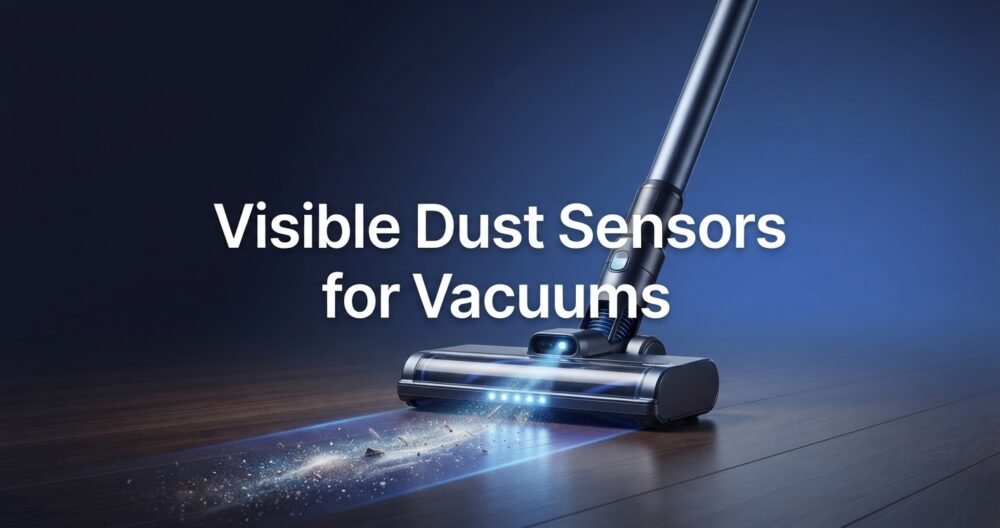
Let’s make this crystal clear. When we see 2026 “Dust Detection Feature” for cordless stick vacuums (dust sensors that help you trust what you cleaned), most “visible” wording is about displaying detection results, not about a literal camera view of the floor.
In 2026, dust detection feature language often points to one of these approaches:
- Airflow-based detection: The vacuum infers dust load from changes in airflow resistance and brushroll conditions.
- Load estimation from sensors: A “cleaning confidence sensor” style system predicts whether suction performance and dust pickup are meeting expected thresholds.
- Indicator-driven boosting: The LED display dust indicator (lights, bars, or tones) tells you when to move slower, switch modes, or expect reduced pickup.
So yes, dust sensors that help you trust what you cleaned can be genuinely useful. But we treat them like a dashboard gauge, not like a live video feed. If the airflow path is restricted, the “gauge” can lie by omission.
Where the “visible dust cordless vacuum” promise shows up: LED indicators, boosts, and sensor logic
In practice, the “visible dust cordless vacuum” experience in 2026 is usually built around three moments you notice while cleaning.
- Indicator moment: You see an LED display dust indicator react when debris load increases.
- Behavior moment: Some models boost suction automatically when detection logic thinks it should.
- Confidence moment: You decide whether to go back over an area based on what the indicator suggests.
That third moment is where we help you make smarter decisions. If the indicator only reflects airflow and not the actual presence of dust on the floor surface, you can still end up trusting the display too early.
Actionable next steps for 2026:
- Use the indicator to decide when to slow down, then do one targeted pass to confirm.
- Clean filters on schedule, because sensors rely on stable suction conditions.
- Pay extra attention in high-texture zones, like shag rugs, under furniture edges, and transitions between carpet and hard floor.
Sensor confidence vs. real pickup: testing obstacles is where claims get challenged
Here’s the reality we like to respect. Dust detection can guide you, but it cannot remove the physics of pickup across uneven surfaces and obstacle edges. In 2026, many buyers want confidence, not extra work, so the sensor has to earn that trust.
To ground the discussion, we look at how obstacle detection and sensor-driven systems behave when debris placement gets tricky. One real-world performance metric from the Vacuum Wars style testing mindset shows this limitation clearly.
Did You Know?
15 out of 24 obstacles is the kind of miss-rate you can see when sensors face complex environments.
Source: Vacuum Wars (TikTok)
That is not meant to scare you. It’s meant to sharpen your expectations for 2026 “Visible Dust” detection claims for cordless stick vacuums (dust sensors that help you trust what you cleaned). If the display suggests pickup but your pass is too fast, too shallow, or the floor texture creates airflow inconsistencies, you can still miss debris.
Key Takeaways for confidence:
- We recommend using detection signals as a pacing tool.
- We recommend pairing indicator confidence with quick “edge checks” in corners and under furniture.
- We recommend treating detection claims as support, not a final verdict.
Models and features we would watch for in 2026 (based on what the reviews emphasize)
In 2026, we see different brands emphasize “dust sensors,” “smart detection,” and “visibility tools” in their own way. We focus on what those descriptions mean for day-to-day trust.
Riccar R65: Smart Sensor Dust Detection and the “trust but verify” mindset
The Riccar R65 Cordless Stick Vacuum is described with Smart Sensor Dust Detection and five suction speeds, plus dual HEPA filtration and up to 40 minutes runtime. If you’re comparing 2026 “Visible Dust” detection claims for cordless stick vacuums (dust sensors that help you trust what you cleaned), this is one model where the detection language is specific and paired with filtration.
What we like for dust-detection trust:
- The system is paired with automatic logic for efficiency, not only a flashy indicator.
- Filtration and runtime matter because detection depends on stable suction behavior.
- Pricing around $400 (as stated in the review) positions it as a premium option where expectations should be matched by support and maintenance.
If you want the full picture of how “How Much Does the Riccar R65 Cost” and how the Smart Sensor Dust Detection is described, start with the review: Riccar R65 Cordless Stick Vacuum review and buying guide 2026.
Tikom V500: LED visibility and pet hair handling, plus a practical approach to confidence
The Tikom V500 Cordless Vacuum Cleaner review emphasizes strong everyday performance for pet hair with 40,000 Pa suction, 7-stage HEPA filtration, and LED headlights for visibility under furniture. While the research highlights visibility (lights) more than a named “visible dust” sensor, it is still directly relevant to “dust detection feature” buyers because seeing debris is often what makes confidence real.
Why it belongs in a 2026 visible-dust conversation:
- LED visibility helps you spot what sensors might only infer.
- Anti hair wrap and self cleaning brushroll concepts reduce maintenance interruptions.
- If you’re tired of second-guessing, lights provide immediate verification in tricky zones.
Check the full model overview here: Tikom V500 Cordless Vacuum Cleaner review.
How to verify “visible dust” indicators in under 60 seconds (a simple 2026 routine)
Forget complex testing setups. For 2026 “Visible Dust” detection claims for cordless stick vacuums (dust sensors that help you trust what you cleaned), we recommend a quick, repeatable routine you can do every time you change rooms or modes.
Actionable next steps (60-second verification routine):
- Pick one test zone: near a doorway, under a chair leg, or a spot you know gets tracked dust.
- Run one slow pass: watch the “LED display dust indicator” behavior, and use its cue to slow down if it changes.
- Pause and check airflow: you should feel consistent suction at the nozzle. If suction feels weak, do not trust the indicator alone.
- Do a second micro pass: just 6 to 10 inches back over the same line. If the indicator returns to “low,” you likely got it.
- Re-check edges: a dust detection feature can lag near corner edges, so confirm at the border of your cleaned path.
We designed this for real life, especially in homes where time and energy matter. And if you’re caring for an elderly loved one who wants senior independence and dignity, this routine reduces the emotional cost of “did I really get it?”
In 2026, dust sensor accuracy is tightly connected to maintenance. If filtration airflow drops, sensor logic can behave unpredictably, even when the cleaning mode selection looks correct on the display.
Think of your vacuum like a car. If the “car filter” is clogged, the engine still runs, but performance is no longer the same. The sensor can then interpret conditions incorrectly.
That’s why we always emphasize filter and airflow upkeep when readers ask about dust detection feature trust.
Even though this is a robot vacuum filter guide, the principle transfers: rinse washable filters on a cadence that protects suction and airflow consistency. Use it as a maintenance benchmark when you tune your stick vacuum upkeep rhythm in 2026: Shark Robot Vacuum Filter maintenance guide.
Did You Know?
Up to 70 minutes of runtime is the kind of figure you need if you plan to rely on dust detection-driven high-power cleaning continuously.
Source: Vacuum Wars (TikTok)
Why we bring runtime into this: in 2026, many sensor systems either boost suction or recommend higher power when debris load increases. If runtime is limited, you can run out of cleaning confidence before you finish the room.
Choosing the right “trust system” for your household in 2026
Not every home needs the same solution. Some homes benefit most from a dust sensor that helps you trust what you cleaned. Others benefit more from visibility tools, better emptying, or simpler maintenance.
Here are the best “trust system” matches we would recommend in 2026:
- Pet hair messes + frequent quick cleanups: choose a model with LED visibility and low-maintenance brushroll behavior, then use detection cues to pace your passes.
- Allergy-focused households: prioritize reliable filtration and dependable airflow so detection cues stay meaningful. Dual HEPA filtration, where described, is a plus.
- Mess-sensitive emptying: a dust bag approach can reduce dust cloud exposure, and it can be easier for senior independence and dignity during emptying.
- Multi-surface homes: look for multi-speed control, clear mode behavior, and consistent indicator logic across hard floors and rugs.
If you’re specifically exploring emptying and cleaner disposal, the stick vacuum with dust bag guide is here: Stick Vacuum With Dust Bag: 2026 guide better pickups & cleaner emptying.
Conclusion: Are 2026 “Visible Dust” detection claims worth trusting?
Yes, in 2026, 2026 “Visible Dust” detection claims for cordless stick vacuums (dust sensors that help you trust what you cleaned) can be worth trusting, but only in the way a dashboard is worth trusting. These systems are best used as an aid for pacing and verification, not as a guarantee that every hidden particle is gone after one pass.
Our best advice is straightforward: pair the indicator with quick edge checks, keep filters clean to protect airflow and sensor logic, and choose models that make verification easier, whether through “Smart Sensor Dust Detection” messaging like the Riccar R65 or through visibility tools and pet-friendly practicality like the Tikom V500. That is how you get real confidence, not just a convincing indicator.
Frequently Asked Questions
Do visible dust sensors on cordless stick vacuums actually show you dust in 2026?
In most cases, the 2026 “Visible Dust” detection claims for cordless stick vacuums (dust sensors that help you trust what you cleaned) reflect displayed detection results based on airflow or load inference, not a literal camera view of dust. You should treat the indicator as a guide and still do quick edge checks for confidence.
What is a “dust detection feature” and how does it work on a visible dust cordless vacuum?
A dust detection feature in 2026 typically estimates dust load through changes in suction airflow and internal sensor readings. The vacuum then responds via an LED display dust indicator and sometimes adjusts suction mode to match debris conditions.
What does an LED display dust indicator mean when I clean with a cordless stick vacuum?
In the context of 2026 “Visible Dust” detection claims for cordless stick vacuums (dust sensors that help you trust what you cleaned), the LED indicator usually signals whether the vacuum detects higher debris load or stable cleaning performance. If the indicator drops quickly, you may have covered the area well, but corners can still require a brief second pass.
Is NeoSight dust detection or similar “cleaning confidence sensor” tech reliable in 2026?
NeoSight dust detection style systems can be helpful in 2026, but reliability depends on airflow stability, filter cleanliness, and how you move the vacuum. If airflow is restricted, dust sensors that help you trust what you cleaned can under- or overestimate load.
Should I rely on dust sensors to clean pet hair messes in 2026?
We recommend relying on sensors as pacing support, not as the sole decision-maker for pet hair messes in 2026. Combine dust detection cues with visible verification methods like LED headlights, then do short targeted passes where hair tends to gather.
How can I make “visible dust” detection more accurate on my cordless stick vacuum?
Clean filters and clear airflow paths regularly, because detection logic in 2026 depends on consistent suction behavior. Then verify with a quick routine on one small zone, and confirm edges, especially on textured rugs and around furniture.